The post title 2
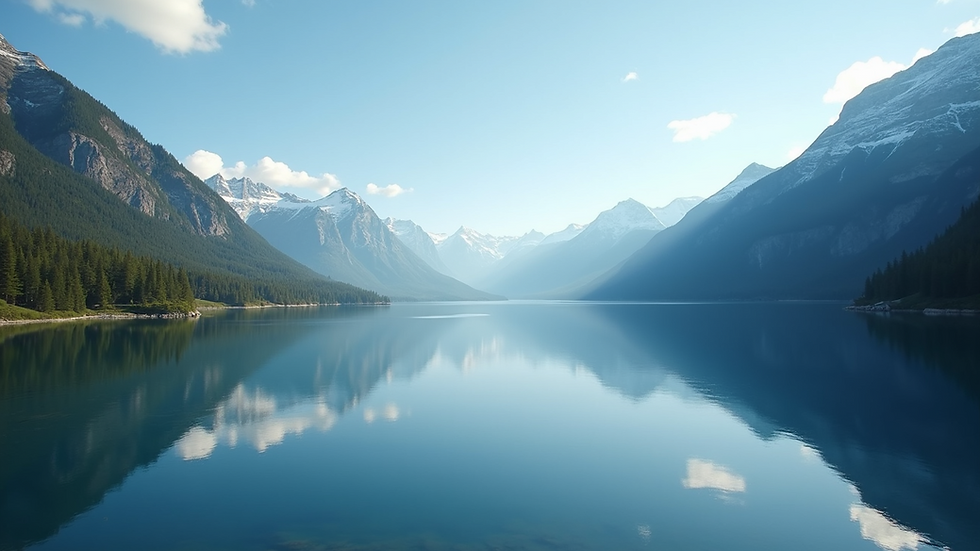
The natural world offers countless places where people can find peace and inspiration. Among these, mountain lakes stand out as serene retreats that invite visitors to pause, reflect, and reconnect with nature. This post explores the unique qualities of mountain lakes, how they contribute to well-being, and practical ways to experience their benefits.
What Makes Mountain Lakes Special
Mountain lakes differ from other bodies of water in several key ways. Their location at higher altitudes means they often have clearer water, cooler temperatures, and less human disturbance. These factors create an environment that feels untouched and pure.
Clear water: The water in mountain lakes is usually fed by melting snow or springs, resulting in high clarity and low pollution.
Cool climate: The cooler temperatures around mountain lakes provide relief during hot seasons and support diverse ecosystems.
Quiet surroundings: Many mountain lakes are located in remote areas, offering a peaceful atmosphere away from city noise.
These characteristics make mountain lakes ideal spots for relaxation, reflection, and outdoor activities.
Health Benefits of Spending Time by Mountain Lakes
Spending time near water has been linked to various health benefits, and mountain lakes add an extra layer of positive effects due to their natural setting.
Stress reduction: The calmness of a mountain lake helps lower cortisol levels, reducing stress and anxiety.
Improved mood: Natural settings with water can boost serotonin production, leading to better mood and mental clarity.
Physical activity: Hiking, swimming, or kayaking in mountain lake areas encourages exercise, which supports cardiovascular health.
Better sleep: Exposure to natural light and fresh air around mountain lakes can improve sleep quality.
For example, a study published in the International Journal of Environmental Health Research found that people who spent time near natural water bodies reported lower stress and higher happiness levels compared to those in urban settings.
How to Make the Most of a Mountain Lake Visit
To fully enjoy the benefits of mountain lakes, consider these practical tips:
Plan your trip during shoulder seasons: Visiting in spring or fall can mean fewer crowds and more wildlife sightings.
Pack appropriate gear: Bring layers for changing weather, sturdy shoes for hiking, and swimwear if you plan to swim.
Respect the environment: Follow Leave No Trace principles to keep the area pristine for others and wildlife.
Engage in mindful activities: Try meditation, journaling, or simply sitting quietly to absorb the surroundings.
Explore local trails: Many mountain lakes have nearby hiking paths that offer stunning views and opportunities to spot native plants and animals.
Examples of Famous Mountain Lakes to Visit
Here are some well-known mountain lakes that showcase the beauty and tranquility typical of these natural gems:
Lake Louise, Canada: Known for its turquoise water and surrounding peaks, it offers hiking, canoeing, and photography opportunities.
Lake Bled, Slovenia: Famous for its island church and medieval castle, it combines natural beauty with cultural charm.
Crater Lake, USA: Formed in a volcanic caldera, it is the deepest lake in the country with striking blue water.
Lake Tahoe, USA: Straddling California and Nevada, it provides year-round activities from skiing to swimming.
Each of these lakes offers a unique experience but shares the common trait of providing a peaceful escape in a mountain setting.
Tips for Capturing the Beauty of Mountain Lakes in Photos
If you want to document your visit, here are some photography tips to highlight the lake’s natural beauty:
Use early morning or late afternoon light: The soft light during these times enhances colors and reflections.
Include reflections: Position yourself to capture the lake’s mirror-like surface reflecting mountains or trees.
Focus on details: Close-ups of water ripples, rocks, or plants add texture and interest.
Try different angles: Experiment with eye-level, high-angle, or low-angle shots to find the most compelling perspective.
Keep the horizon straight: A level horizon line makes photos look balanced and professional.
These techniques help create images that convey the calm and clarity of mountain lakes.
How Mountain Lakes Inspire Creativity and Mindfulness
Many artists, writers, and thinkers have found mountain lakes to be powerful sources of inspiration. The quiet environment encourages deep thought and creative flow. Mindfulness practices near water can enhance focus and presence.
Writing retreats: Some writers choose mountain lakes for retreats to escape distractions and connect with their inner voice.
Painting and sketching: The changing light and reflections provide endless subjects for visual artists.
Meditation spots: The gentle sounds of water and wind support meditation and breathing exercises.
Spending time at a mountain lake can help clear mental clutter and spark new ideas.
Planning a Sustainable Visit to Protect Mountain Lakes
Mountain lakes are fragile ecosystems that require care to preserve. Visitors can help by:
Avoiding single-use plastics: Bring reusable water bottles and containers.
Sticking to trails: Prevent soil erosion and protect plant life by staying on marked paths.
Not feeding wildlife: Feeding animals disrupts their natural habits and diet.
Carrying out all trash: Leave the area cleaner than you found it.
Supporting local conservation efforts: Donate or volunteer with organizations that protect mountain environments.
By acting responsibly, visitors ensure that mountain lakes remain beautiful and healthy for future generations.
Mountain lakes offer a rare combination of natural beauty, health benefits, and creative inspiration. Whether you seek relaxation, adventure, or a quiet place to think, these lakes provide a perfect setting. Plan your visit thoughtfully, respect the environment, and take time to fully experience the calm and clarity that mountain lakes bring. Your mind and body will thank you.


Commentaires